


If you’ve been shopping for window treatments in Central Florida, you’ve probably come across solar shades and wondered what the fuss is about. So, what are solar shades exactly? They’re a specific type of roller shade made from mesh-like fabric that blocks UV rays and reduces heat, while still letting you see through the material to your view outside. That balance between protection and visibility is what makes them so popular, especially in sun-heavy states like Florida.
But solar shades aren’t perfect for every situation. They have real limitations, particularly when it comes to nighttime privacy, that catch a lot of homeowners off guard. Understanding those trade-offs before you buy saves you from a costly mistake, and that’s exactly why we put this guide together.
At The Shutter Look, we’ve spent over 23 years helping Central Florida homeowners choose the right window treatments through hands-on consultations and professional installations. Below, we’ll break down how solar shades work, their pros and cons, how they compare to standard roller shades, and whether they’re actually the right fit for your home.
Why solar shades matter for sun, heat, and glare
Florida gets intense sun year-round, and that sun does more than make you squint. It fades furniture, overheats rooms, and drives up your energy bills at the same time. Solar shades are designed to address all three of those problems at once, which is why they’ve become one of the most requested window treatments for homeowners across Central Florida. Understanding what are solar shades and how they actually perform starts with looking at the specific problems they’re built to solve and how well they solve each one.
How solar shades filter UV rays
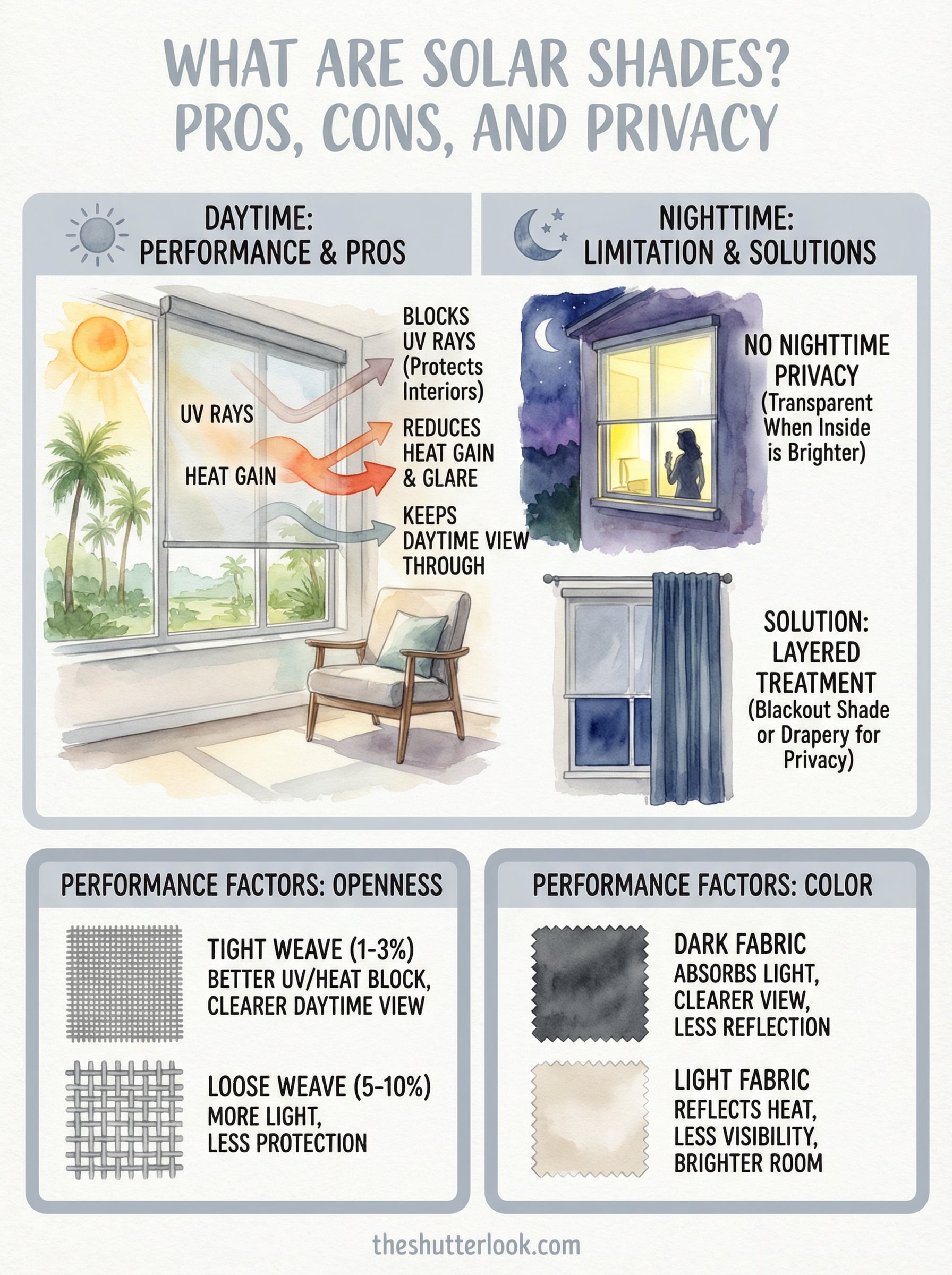
Solar shades use a tightly woven mesh fabric that acts like a physical screen between the glass and your room. The weave intercepts ultraviolet light before it reaches your floors, furniture, and artwork. UV exposure is the primary reason wood floors warp, fabric colors fade, and leather cracks over time, often within just a few years of consistent sun exposure in a state like Florida. A quality solar shade can block up to 99% of UV rays depending on the fabric density you select, which gives you meaningful protection without turning your room dark.
Blocking UV rays isn’t just about comfort, it’s about protecting the long-term value of everything you’ve invested in your home’s interior.
How they reduce heat gain and glare
Heat gain happens when sunlight passes through glass and converts to heat inside your home. Reducing solar heat gain through your windows means your air conditioner runs less frequently, and your monthly energy costs drop as a result. In Central Florida, where cooling systems run nearly every month of the year, that reduction makes a real difference in what you pay on your utility bills.
Glare is a separate but equally disruptive problem. Harsh afternoon light hitting a TV screen or computer monitor can make a room functionally unusable for several hours each day. Solar shades cut that glare down significantly without requiring you to block your view entirely, which is something solid blackout shades and traditional shutters simply cannot offer in the same way.
How solar shade openness and color change performance
Two variables control almost everything about how a solar shade performs in your room: openness factor and fabric color. Getting these two choices right determines how much light, heat, and UV you block, and how clearly you can see outside during the day.
What the openness factor actually means
The openness factor is a percentage that describes how much of the fabric weave is open space. A 1% openness fabric is tightly woven, blocking most light and giving you a better daytime view to the outside because there’s less fabric reflection competing with the glass. A 10% openness fabric is loosely woven, letting in more natural light but offering less UV and heat protection. For Florida homeowners dealing with intense afternoon sun, a 1% to 3% openness is usually the practical sweet spot.
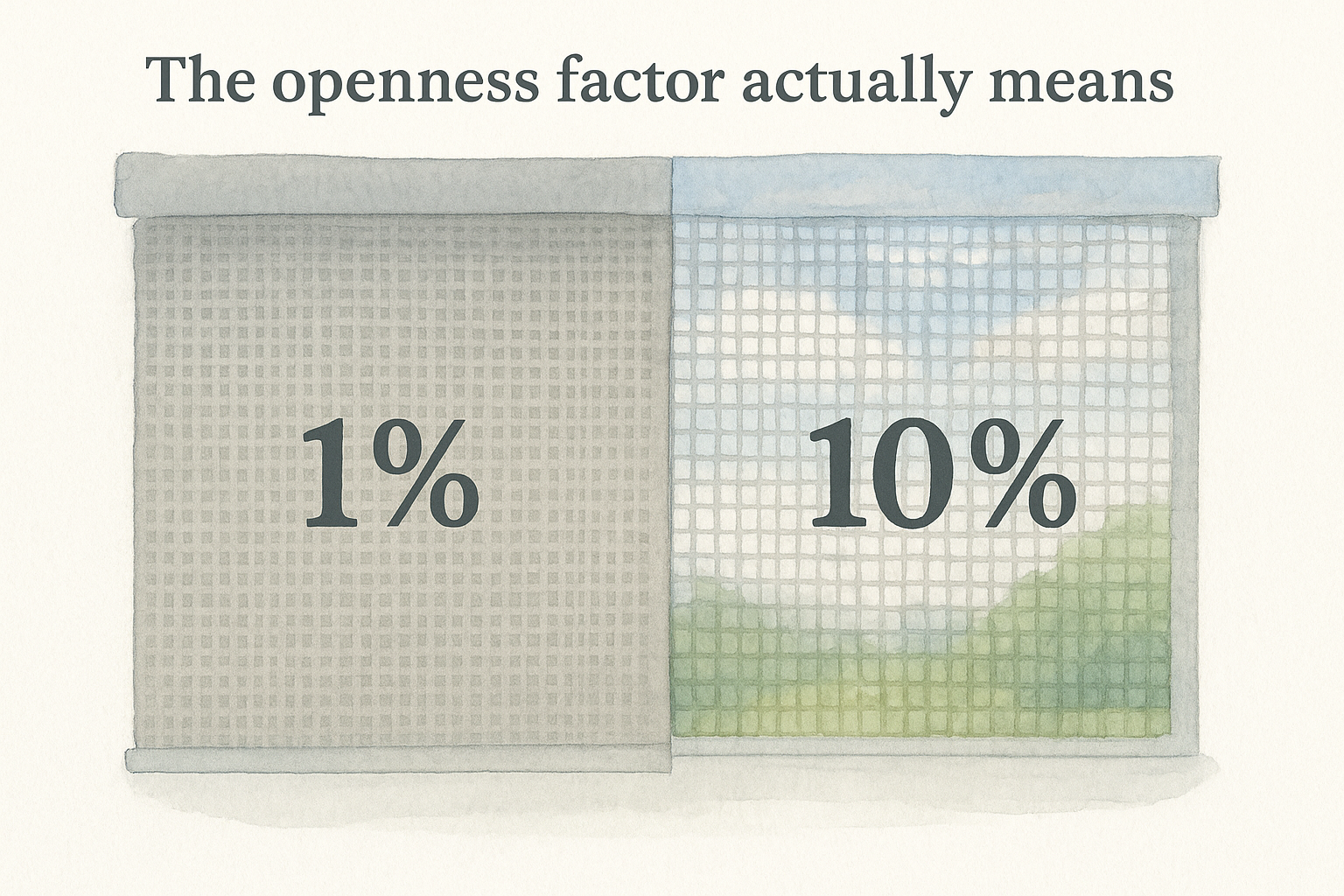
The tighter the weave, the more UV and heat you block, but you also get a clearer outside view, not less of one.
How color shifts heat and glare control
Darker fabric colors absorb more light and give you a sharper, less reflective view to the outside, which is why they’re often recommended for rooms facing west or south in Florida. Lighter colors reflect more solar energy back through the glass, which can help with heat reduction but reduces your outward visibility. When you’re asking what are solar shades that perform best in direct sun, the answer usually points toward darker, tightly woven fabric.
Pros and cons of solar shades for everyday rooms
Solar shades hit a genuinely useful middle ground for most living spaces, but they aren’t the right answer for every room in your home. Knowing where they work well and where they fall short helps you place them strategically rather than buying them everywhere and regretting it later.
Where solar shades work best
Living rooms, home offices, and dining rooms facing east, west, or south are ideal candidates. These are spaces where you want natural light and an outside view without dealing with glare on screens or fading on floors and furniture. If you’re still clarifying what are solar shades good for specifically, think about any room where you sit for extended periods during the day and find yourself squinting or overheating near the windows.
Solar shades give you the most value in high-sun, high-use rooms where you need daytime comfort without sacrificing your view.
Where solar shades fall short
Bedrooms are the most common place where solar shades disappoint homeowners. Standard solar shades offer almost no nighttime privacy because the mesh fabric becomes transparent when your interior lights are brighter than the darkness outside. Bathrooms face the same issue.
Rooms where solar shades are a poor standalone choice include:
- Bedrooms where nighttime privacy is a firm requirement
- Bathrooms that face neighboring properties or a street
- Any room you use primarily in the evening with interior lights on
Privacy at night and the best ways to add it
If you’ve been researching what are solar shades for your home, the nighttime privacy issue is the one detail that surprises most buyers. Solar shades work in one direction during the day, but once the sun goes down and your interior lights turn on, the dynamic flips completely.
Why solar shades lose privacy after dark
The mesh fabric that filters light so effectively during the day becomes essentially transparent at night when your room is brighter than the outside. Anyone standing outside your home in the dark can see directly into your room with clear visibility. This isn’t a flaw in one brand or a cheaper fabric; it’s a physics reality that applies to every solar shade on the market.
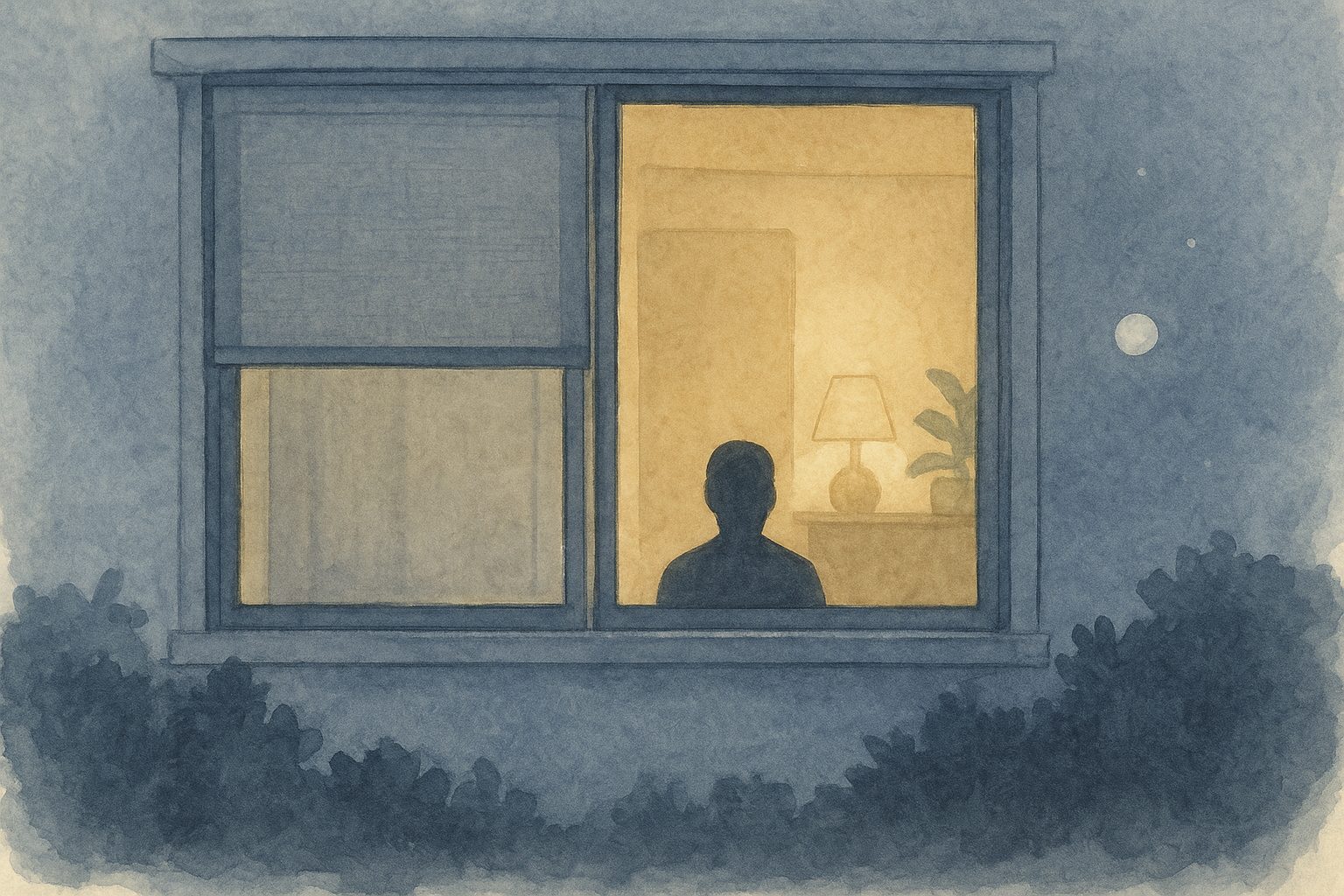
If nighttime privacy matters in your space, plan for it from the start rather than trying to fix it after installation.
Layering options that restore privacy
The most practical solution is pairing your solar shade with a secondary treatment on the same window. This approach lets you run the solar shade alone during the day for UV protection and glare control, then lower a second layer at night for full privacy. Your best layering options include:
- Blackout roller shades mounted on the same bracket system as your solar shade
- Cellular shades that add insulation value alongside privacy
- Drapery panels for a softer, more decorative look in living rooms and bedrooms
Each option gives you complete light blocking when you need it without giving up your daytime view.
How to choose solar shades for Central Florida homes
Once you understand what are solar shades and how they perform, picking the right one for your specific home comes down to a few practical factors. Central Florida’s sun angles and intensity vary by the direction your windows face, and that variation should drive your fabric and openness choices more than anything else. Getting this right from the start means you won’t be replacing shades in a year because the performance didn’t match the room.
Match your fabric to your window’s sun exposure
South- and west-facing windows take the hardest direct sun throughout the day. For those windows, choose a 1% to 3% openness fabric in a darker color to maximize UV blocking and glare control. East-facing windows get morning sun that’s less intense, so a 5% openness fabric often works well without making the room feel too closed in during the rest of the day.
Factor in your room’s primary use
Rooms where you spend daytime hours working or relaxing are the best fit for solar shades used on their own. For any room you use regularly at night with lights on, plan a layered window treatment from the start. Adding a blackout roller shade on the same window gives you full-day flexibility without requiring a second installation later.
Choosing the right solar shade up front saves you the cost and hassle of replacing it when the performance doesn’t match the room.
Next steps
Now that you know what are solar shades and how they actually perform in real rooms, you have enough information to make a smart buying decision. The key takeaways are simple: solar shades block UV rays, reduce heat gain, and control glare during the day while keeping your view intact. They work best in high-sun living spaces and home offices, and they need a layered treatment if nighttime privacy matters to you.
Picking the right openness factor, fabric color, and pairing strategy for your specific windows takes more than guessing. Central Florida sun patterns vary significantly depending on which direction your windows face, and getting the details wrong means buying again sooner than you planned. The Shutter Look offers free in-home consultations with physical fabric samples, so you can see exactly how each option looks and performs in your own light before you commit. Schedule your free estimate with The Shutter Look and get it right the first time.
