


If you’re shopping for window treatments in Central Florida, you’ve probably asked yourself: are solar shades worth it? It’s a fair question. Solar shades promise UV protection, glare reduction, and lower energy bills, but they also come with trade-offs that don’t always get mentioned upfront.
At The Shutter Look, we’ve spent over 23 years helping homeowners across Central Florida choose the right window treatments for their homes. We’ve installed solar shades in living rooms, sunrooms, and offices, and we’ve also talked customers out of them when something else made more sense. That hands-on experience gives us a straightforward perspective on where solar shades shine and where they fall short.
This article breaks down the real pros and cons, typical costs, and the one issue that catches most people off guard: nighttime privacy. By the end, you’ll have a clear picture of whether solar shades are the right fit for your home, or if another option deserves a closer look.
What solar shades are and how they work
Solar shades are window shades made from a woven mesh fabric that filters sunlight rather than blocking it completely. Unlike blackout shades or shutters, they’re designed to reduce glare and UV radiation while keeping your view of the outside intact. Think of them like sunglasses for your windows: they cut harsh light without turning your room dark.
The fabric does the work
The mesh fabric in a solar shade is the key to how the whole system works. Tiny interwoven fibers create a screen-like material that intercepts solar energy before it enters your room. The weave is tight enough to deflect a significant portion of the sun’s heat and ultraviolet rays, but open enough to let diffused natural light pass through. That balance is what makes solar shades popular in sun-heavy climates like Central Florida, where direct sunlight can be relentless for most of the year.
Solar shades block the UV rays that cause furniture, flooring, and artwork to fade over time, which is one of the most overlooked benefits for Florida homeowners.
Because the fabric filters rather than blocks, your room still feels bright and connected to the outdoors. You keep your view, reduce eye strain from glare, and lower the heat load on your windows, all at the same time.
Openness factor: what the numbers mean
Every solar shade carries an openness factor rating, expressed as a percentage. This number tells you how tightly the fabric is woven, and it directly affects how much light, heat, and visibility the shade allows. A lower percentage means a tighter weave and more solar control, while a higher percentage means a looser weave and more natural light and outward visibility.
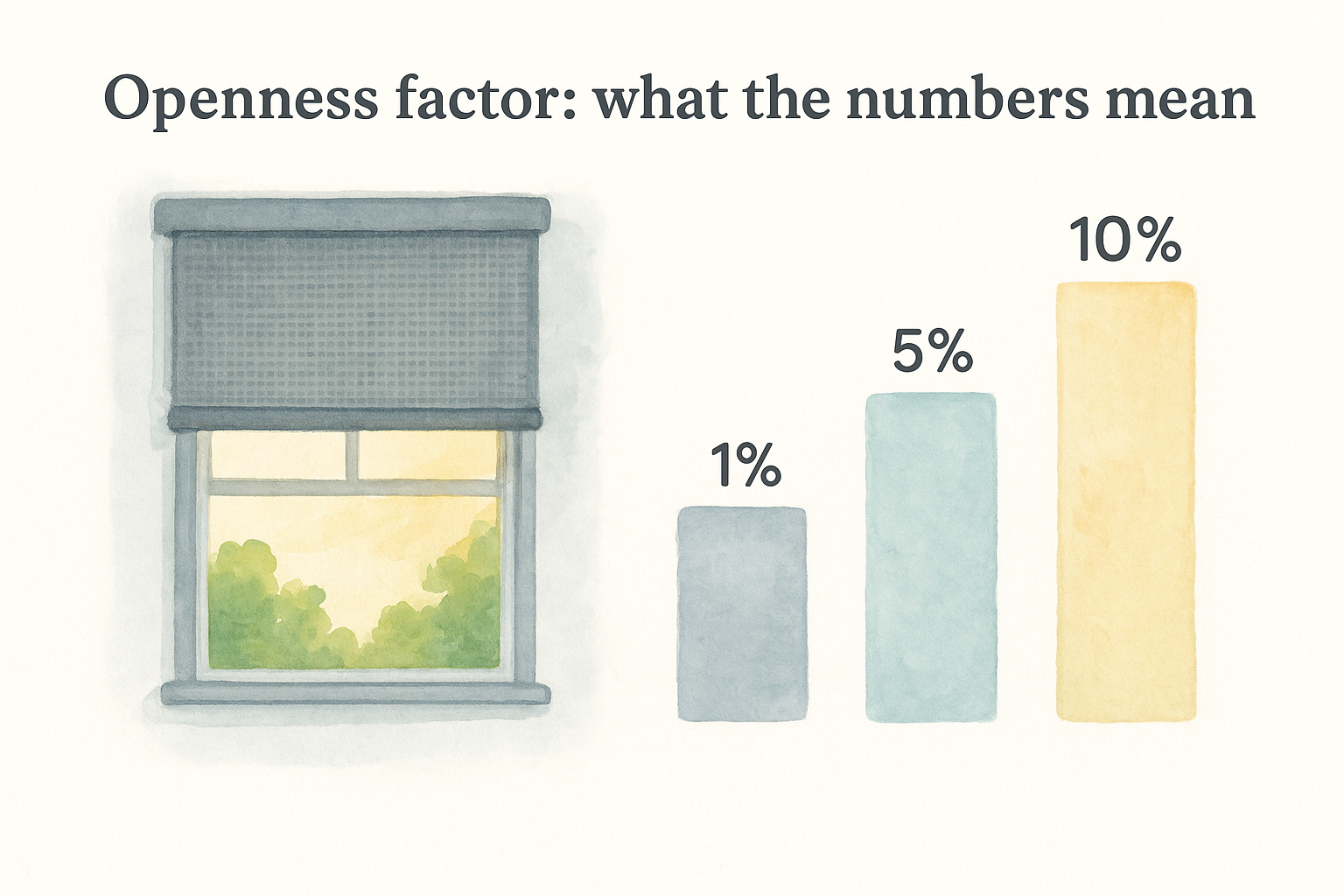
Here’s how the most common ratings break down:
- 1% to 3%: Maximum glare and heat reduction, limited daytime view
- 5% to 7%: A balanced middle ground for most living spaces
- 10% to 14%: High transparency with minimal filtering, best for low-glare rooms
Most residential installs fall between 3% and 10%. Picking the right number for your specific windows is one of the first decisions you’ll make when figuring out whether solar shades are worth it for your home.
Benefits that make solar shades worth it
Solar shades deliver several real advantages that explain why they remain a popular choice in Florida homes. Understanding these benefits is the clearest way to evaluate whether solar shades are worth it for your specific situation and window exposure.
UV protection and glare control
The mesh fabric in a solar shade blocks up to 99% of harmful UV rays, depending on the openness factor you select. That protection shields your furniture, hardwood floors, rugs, and artwork from the fading and discoloration that Florida’s intense sun causes over years of direct exposure.
The UV protection alone can extend the life of your interior furnishings significantly, which adds real financial value well beyond any energy savings.
Glare reduction is equally valuable for daily comfort. If your home has a south- or west-facing room, afternoon sun can make screens nearly impossible to see and create uncomfortable hot spots. Solar shades cut that harshness without forcing you to close your view entirely.
Energy savings and heat reduction
Solar shades reduce the heat gain through your windows, which directly lowers the demand on your air conditioning system. In Central Florida, where your AC runs most of the year, that reduction shows up on your monthly energy bill.
Cooler rooms also mean more consistent comfort throughout the day. Spaces that previously felt stuffy by midafternoon stay livable longer, reducing the need to push the thermostat lower and saving you money across every cooling season.
Drawbacks to know before you buy
Solar shades solve real problems, but they also come with limitations that matter depending on how and where you plan to use them. Knowing these trade-offs before you buy is the only way to make a confident decision about whether solar shades are worth it for your home.
Nighttime privacy
The biggest drawback most homeowners discover too late is what happens after dark. During the day, solar shades work in your favor: interior lighting is dimmer than outdoor sunlight, so people outside can’t see in clearly. At night, that dynamic flips completely. Your indoor lights become brighter than the dark exterior, and anyone outside can see directly into your home as if the shade isn’t there.
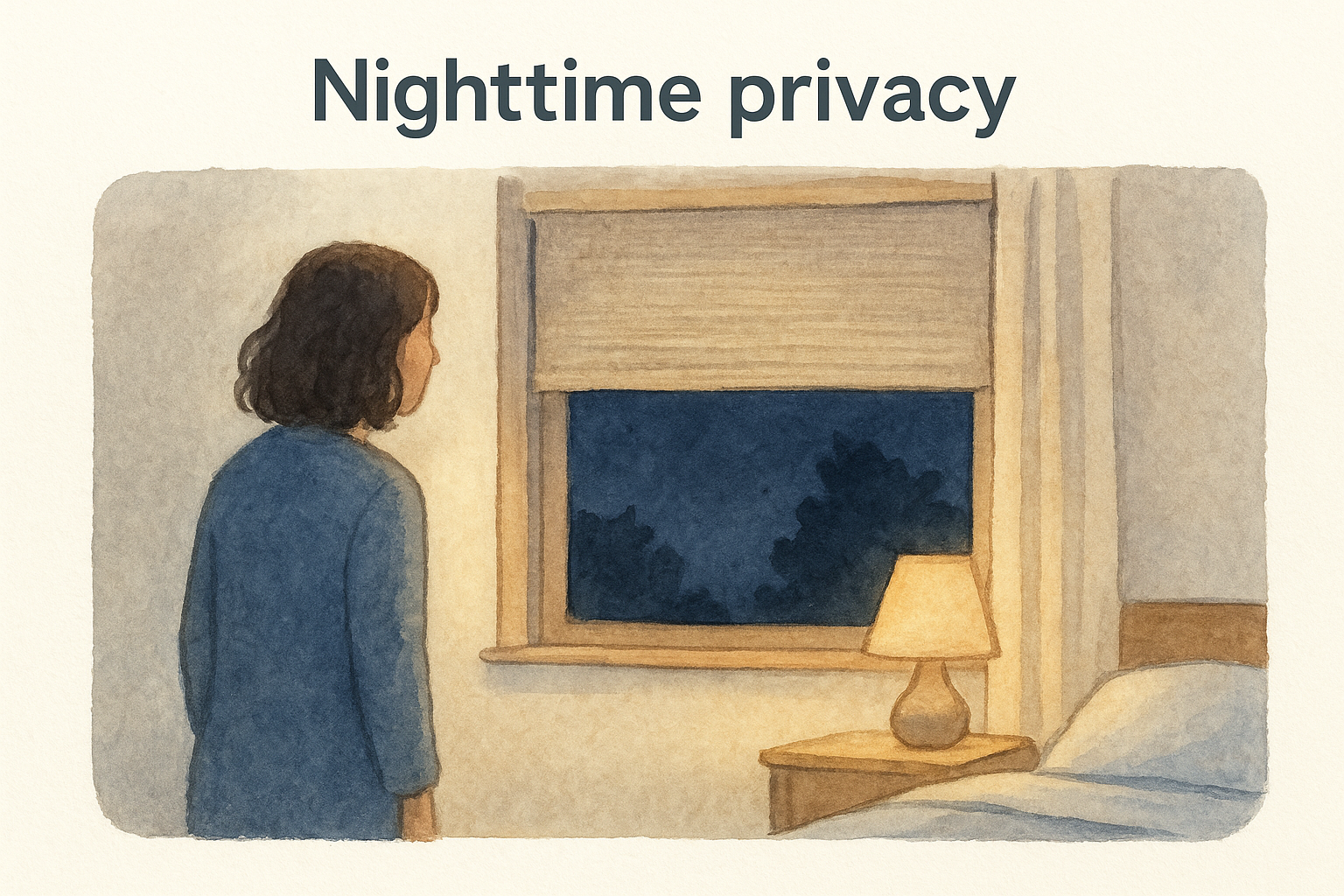
If privacy matters in your space, especially in bedrooms or street-facing rooms, solar shades alone won’t give you the coverage you need after sunset.
Limited insulation value
Solar shades reduce heat gain from direct sunlight, but they do very little for thermal insulation. Cold air and drafts still pass through the mesh fabric freely, which means solar shades won’t help you much during cooler Florida nights or in rooms where you want to retain conditioned air more efficiently. They intercept radiant solar energy but don’t create a meaningful barrier between your window glass and the room. If energy efficiency is your primary goal, you’ll want to weigh this limitation carefully against other window treatment options that offer better insulating performance.
Cost, openness, and payback expectations
Understanding the price range and realistic payback timeline helps you decide whether solar shades are worth it for your budget. Costs vary based on openness factor, window size, and whether you choose manual or motorized operation.
What solar shades typically cost
Solar shades for a single standard window generally run between $100 and $350 installed, depending on fabric quality and hardware. Motorized versions push that price to $300 or more per window, so a sunroom full of windows adds up quickly before you see any financial return.
Motorized solar shades may qualify for energy-related tax credits depending on your location, which can offset some of the upfront cost.
Here’s how openness factor affects performance and where each option fits best:
| Openness Factor | Best For | Solar Control |
|---|---|---|
| 1%-3% | High-glare, west-facing windows | Maximum |
| 5%-7% | Most living spaces | Moderate |
| 10%-14% | Low-glare rooms | Minimal |
Realistic payback expectations
Your payback timeline depends on how much direct sun your windows receive and how hard your AC runs to compensate. Central Florida homeowners with south- or west-facing windows often see noticeable cooling cost reductions within two to three years.
Pairing solar shades with a consistent shade schedule during peak afternoon hours helps you recover costs faster. Most homeowners find that combining lower energy bills with reduced furniture replacement costs makes the investment worthwhile over a reasonable timeframe.
Night privacy, insulation, and best alternatives
If nighttime privacy and insulation are priorities in your home, knowing your alternatives matters just as much as understanding where solar shades fall short. The good news is that you don’t have to choose between a great daytime view and practical after-dark coverage, because layering and alternative treatments solve both problems effectively.
Pairing solar shades with other treatments
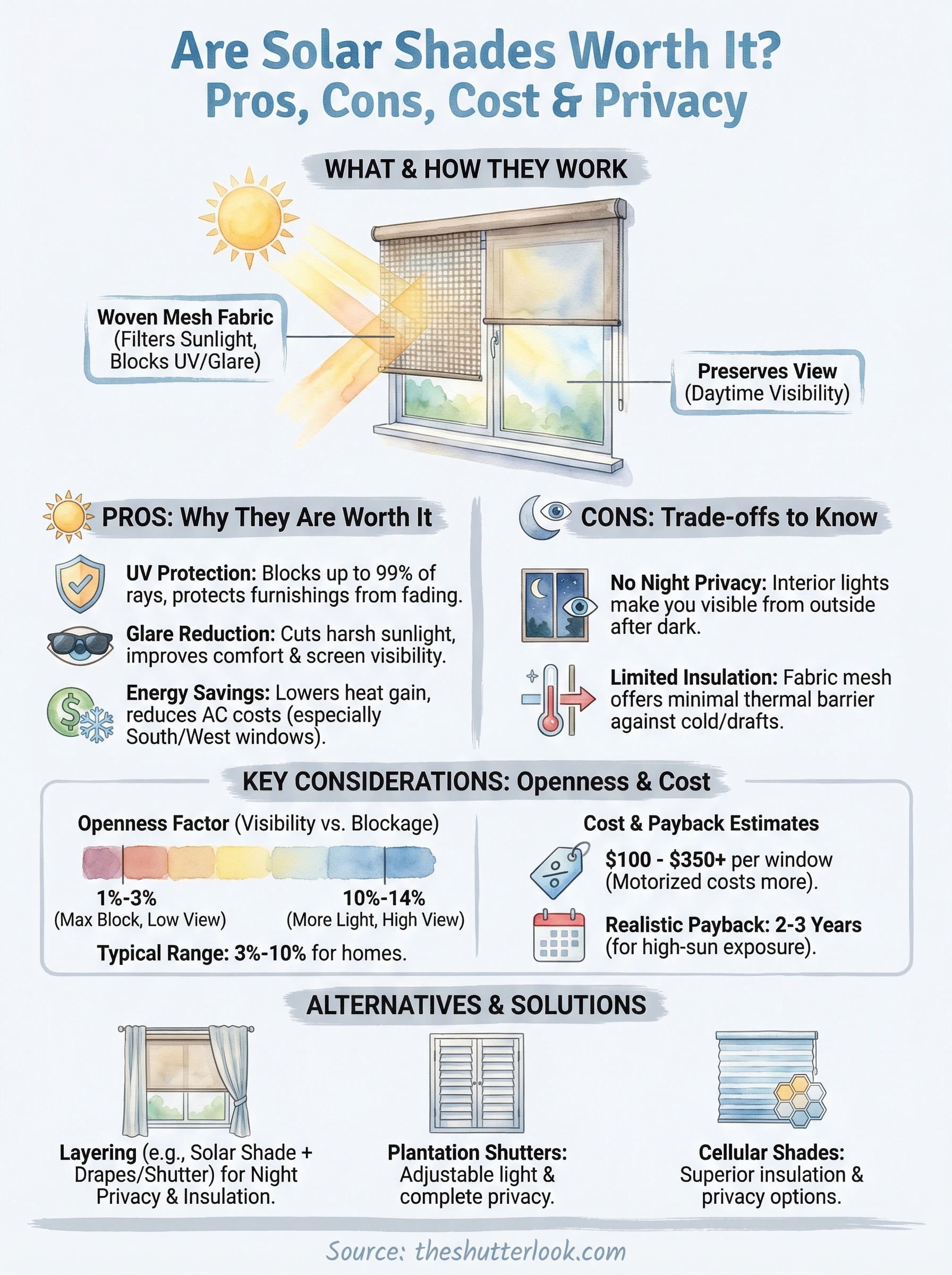
Many homeowners solve the nighttime problem by layering solar shades with a secondary treatment. A solar shade handles glare and UV filtering during the day, while a plantation shutter or blackout roller closes over it at night for full privacy and better insulation. This combination lets you keep the benefits that make solar shades attractive without giving up coverage after the sun goes down.
Layering window treatments is one of the most practical approaches in Central Florida homes where sun control and privacy are both non-negotiable.
This pairing also helps you evaluate whether solar shades are worth it as a standalone investment, since the secondary treatment covers the gaps rather than requiring you to replace everything at once.
Single solutions that cover both needs
If you want one treatment to handle everything, three options outperform solar shades on privacy and insulation:
- Plantation shutters: Adjustable light control, solid insulation, and complete privacy at any hour
- Cellular shades: Honeycomb pockets create a meaningful thermal barrier solar shades can’t match
- Motorized blackout rollers: UV filtering when open, full privacy when closed, without layering
Next steps for your windows
So, are solar shades worth it? For most Central Florida homeowners with south- or west-facing windows, the answer is yes, with the right expectations in place. Solar shades deliver real UV protection and energy savings, but they work best when you pair them with a secondary treatment or choose an alternative if nighttime privacy is non-negotiable.
Your next step is to look at the specific windows you want to treat. Consider the direction each window faces, how much direct sunlight it receives, and whether privacy matters after dark. Those three factors alone will tell you whether solar shades are the right fit, or whether plantation shutters, cellular shades, or a layered solution makes more sense for your home.
When you’re ready to get a clear recommendation from someone who has measured and installed thousands of windows across Central Florida, schedule a free in-home estimate with The Shutter Look. Bring your questions about openness factors, motorization, and layering options, and we’ll help you find the right treatment for every window in your home.
